Sustainable agriculture is an approach to farming that aims to meet the needs of the current generation of farmers and rural communities without compromising the ability of future generations to meet their own needs. Sustainable agriculture relies on a set of principles and practices that aim to achieve a balance between the economic, social, and environmental dimensions of agriculture.
The principles of sustainable agriculture include the following diverse requirements and guidelines:
• Preserving soil health: Soil health is enhanced through practices such as crop rotation, organic fertilization, and reducing reliance on harmful chemical pesticides.
• Conserving biodiversity: Sustainable agriculture encourages the preservation of biodiversity by maintaining local plant varieties and providing diverse habitats for wildlife.
• Efficient resource use: Sustainable agriculture achieves efficient use of water, energy, and raw materials through the adoption of improved irrigation techniques, reliance on renewable energy sources, and reducing waste and pollution.
• Supporting social justice: Sustainable agriculture promotes equality and social justice by providing local employment opportunities, enhancing joint governance, and ensuring fair distribution of benefits for all.
• Meeting food needs: Sustainable agriculture aims to meet current and future food needs by increasing agricultural land productivity and improving storage and distribution systems.
There is a wealth of technologies and practices used in sustainable agriculture, which can vary depending on agricultural regions, local practices, and unfavorable environmental conditions. It should be noted that technology and innovations in sustainable agriculture are ongoing, and new techniques may emerge in the future to enhance agricultural sustainability and protect the environment. Here are some common examples:
• Perennial crop cultivation: This involves growing plants that return and persist for a long time, reducing the need for repeated replanting and preserving soil and biodiversity.
• Crop rotation: Different crops are regularly rotated on the same land, contributing to soil renewal and improvement, reducing the spread of pests and diseases, and maintaining nutrient balance in the soil.
• Use of organic fertilizers: Organic fertilizers derived from animal and plant waste are primarily used as a nutrient source for plants. This helps improve soil health and avoids water pollution from chemical substances.
• Biological pest control: This includes the use of predatory birds, beneficial insects, migratory birds, and beneficial insects to naturally reduce agricultural pests, thereby reducing the need for chemical pesticides.
•Improved water technologies: Enhanced water technologies include techniques such as drip irrigation and sprinkler irrigation, which help use water more efficiently and significantly reduce waste. Water collection systems can also be used to store and reuse water for irrigation.
• Management of agricultural waste: This includes the use of plant and animal waste for bioenergy production or organic fertilization, reducing the impact of agricultural waste on the environment.
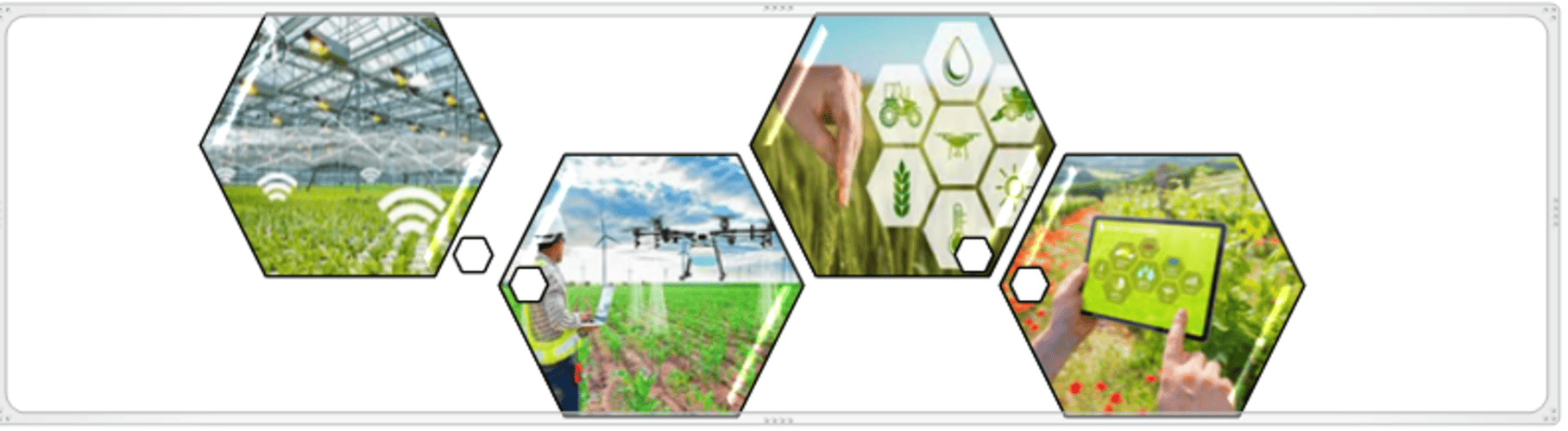
• Vertical farming and urban agriculture: These techniques are used to cultivate crops in limited spaces, such as greenhouses, vertical surfaces, and agricultural towers. Enhanced irrigation techniques and industrial lighting are used to provide optimal conditions for plant growth. This type of farming allows for increased productivity per area and reduces reliance on long-distance transportation of crops.
• Hydroponics: Hydroponic farming relies on growing plants without traditional soil. Plants are nourished with a nutrient-rich solution, and water and nutrients are precisely provided to the plants. This achieves resource efficiency and also reduces waste.
Keep in mind that these examples represent some common practices in sustainable agriculture, and there are many more innovative techniques and technologies being developed and implemented to promote sustainable farming and environmental conservation.
Sustainable agriculture, therefore, works towards achieving a balance between agricultural production and environmental protection, contributing to the preservation of natural resources and long-term sustainable development. Such agriculture is considered an investment in the future as it protects the environment and enhances the sustainability of natural resources for future generations.