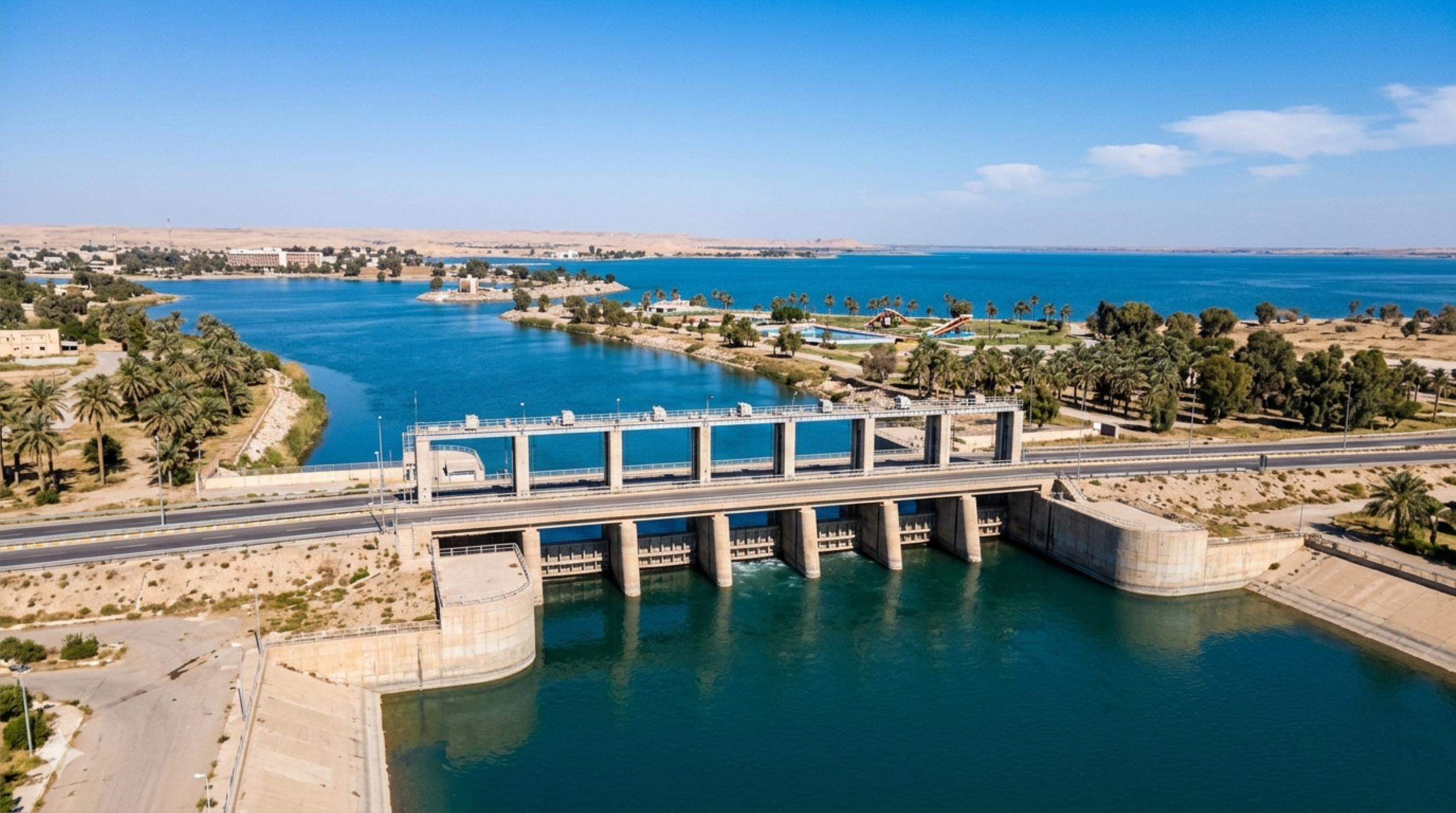
Recently, the Rayahin Organization conducted a survey of the agricultural situation in the lands along the banks of the Euphrates River between the Al-Warar Dam and Lake Habbaniyah in Anbar Governorate. The survey revealed that this region, despite its historical agricultural importance, has become one of the most vulnerable areas due to climate change and its direct impacts on water, soil, and agricultural production.
The survey team found that the most significant effects of climate change are decreased rainfall and more frequent droughts. This has led to a decrease and fluctuation in the Euphrates' water levels, resulting in unstable irrigation water. Consequently, farmers are forced to reduce cultivated areas or alter their planting plans from one season to the next. Our team also observed that higher temperatures during the growing season have increased evaporation rates from the river, canals, and Lake Habbaniyah, raising the water requirements of crops, particularly summer crops and vegetables. This has contributed to higher pumping, fuel, and maintenance costs, while productivity has declined due to heat stress. The organization also observed a growing problem linked to climate and water scarcity: deteriorating water quality and increased salinity and dissolved water levels, coupled with reduced drainage. This leads to soil salinization and a gradual decline in fertility, especially given the continued reliance on traditional irrigation methods and inadequate drainage systems in some areas. This has resulted in poor germination and reduced crop growth in parts of the monitored land, as well as some farmers shifting towards crops that require less water and are more tolerant of heat and salinity.
In conclusion, the organization's monitoring team found that climate change in this region does not simply mean higher temperatures, but practically means less water and fluctuating water availability, increased evaporation, and higher salinity—a triad that directly impacts the sustainability of agriculture between Al-Warar and Al-Habaniyah. Based on this observation, our organization recommends supporting practical adaptation measures, including: upgrading irrigation systems (drip/sprinkler), improving drainage to reduce salinity, adopting drought-resistant varieties, adjusting planting dates, and regularly monitoring water quality to protect soil and crops and ensure sustainable production.
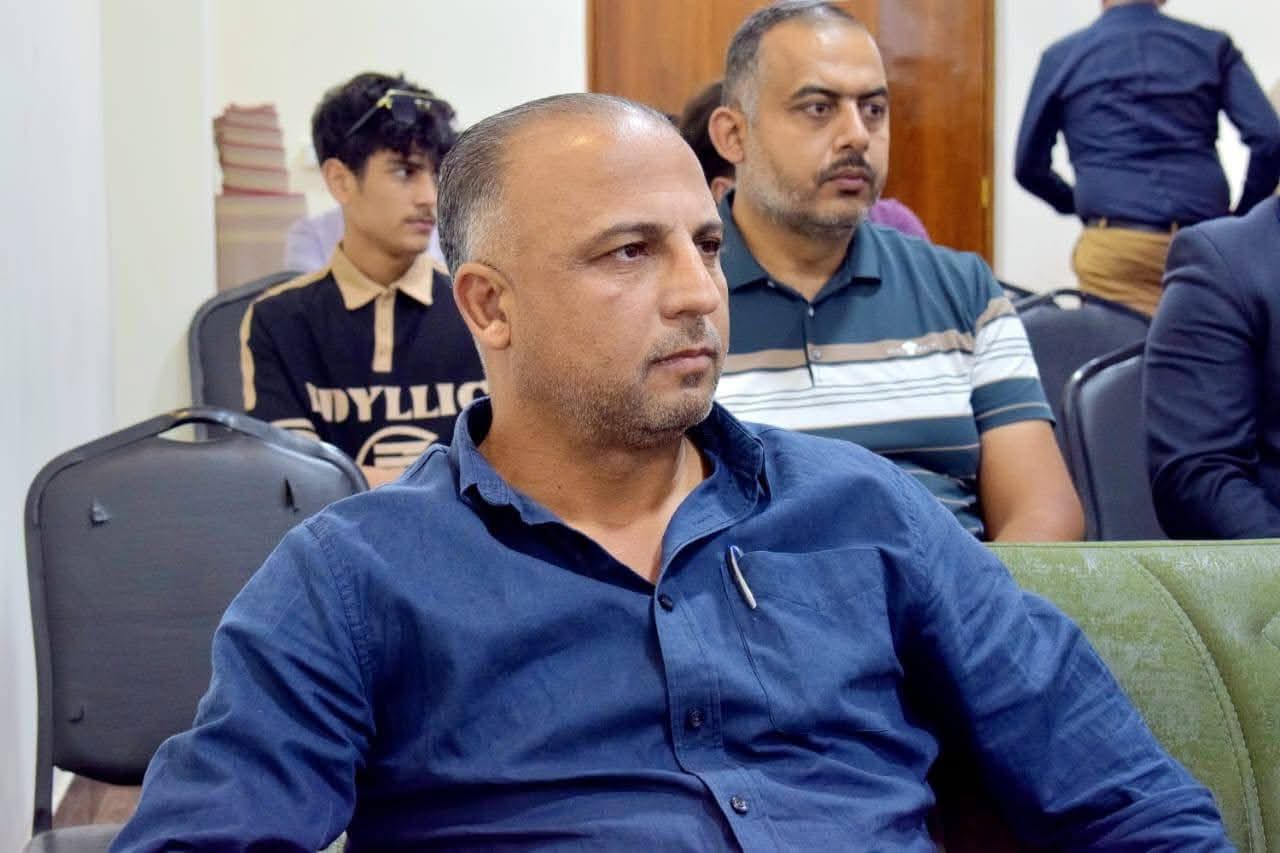
Environmental Monitoring Team of Rayahin Agricultural Development Organization