Proposals to develop the work of the Ministry of Agriculture in terms of concepts, practices and structures for the transition to smart agriculture (Episode Two)

The Role of Agricultural Extension in the Process of Transition Toward Smart Agriculture

The role of agricultural extension in the process of transitioning toward smart agriculture is vital in guiding farmers and providing the technical knowledge necessary for the application of modern agricultural practices. Agricultural extension contributes to achieving digital and smart-technology transformation in agriculture by providing support and guidance at the local level, thereby contributing to the attainment of sustainability and productivity objectives.
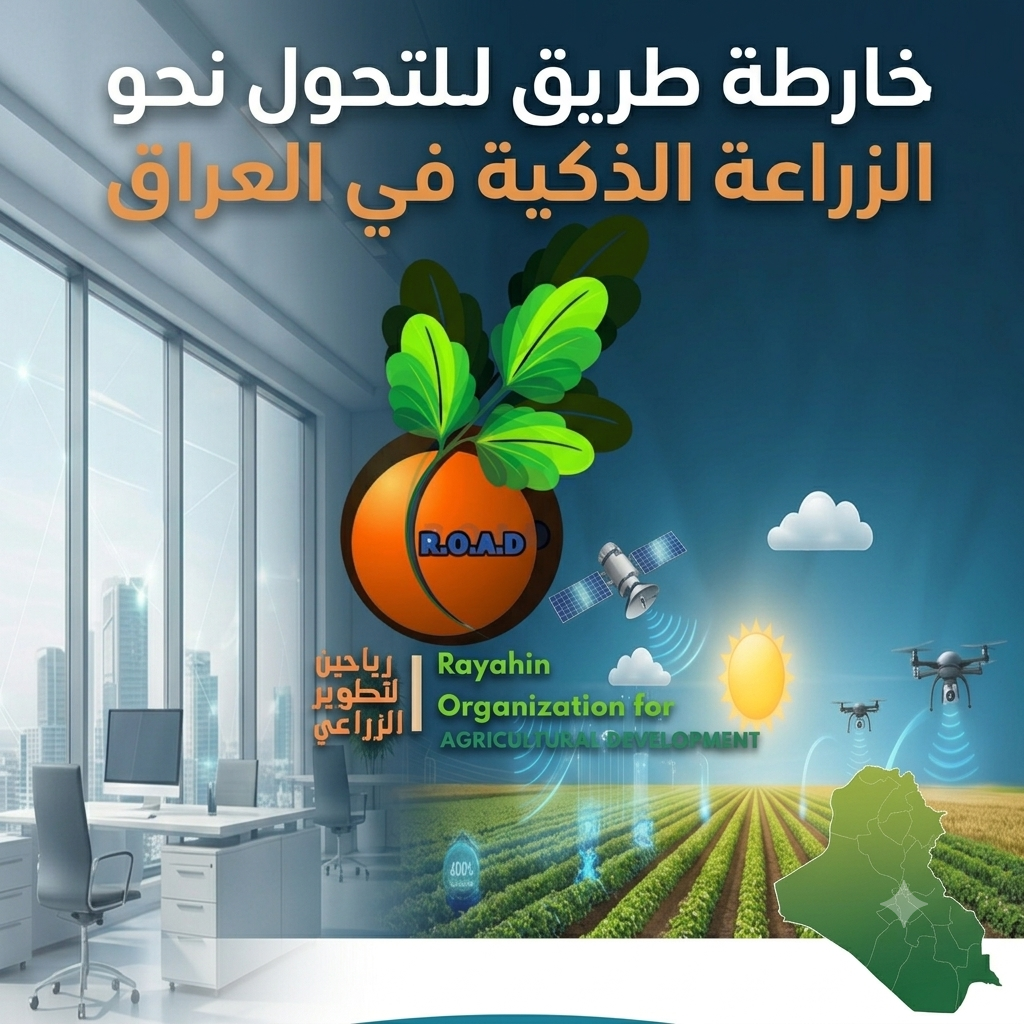
The Role of Agricultural Extension in the Process of Transition Toward Smart Agriculture

The role of agricultural extension in the process of transitioning toward smart agriculture is vital in guiding farmers and providing the technical knowledge necessary for the application of modern agricultural practices. Agricultural extension contributes to achieving digital and smart-technology transformation in agriculture by providing support and guidance at the local level, thereby contributing to the attainment of sustainability and productivity objectives.
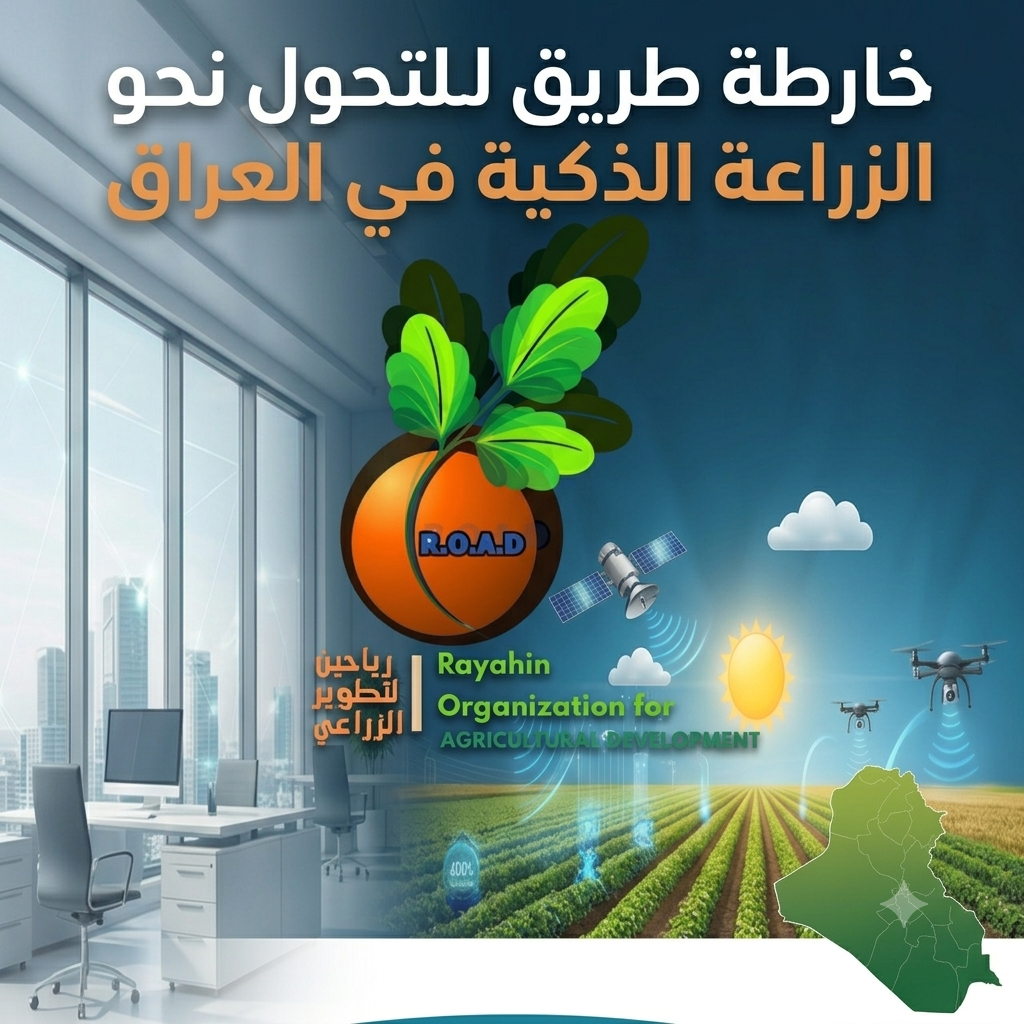
1. Guiding Farmers on Modern Technologies

  • Transfer of Technical Knowledge: Agricultural extension contributes to educating farmers on how to use smart agricultural technologies, such as smart irrigation systems, sensors, and drones, in crop monitoring. It helps farmers understand the benefits of these technologies in increasing efficiency and reducing costs.
  • Encouraging the Use of Digital Tools: Extension services help activate digital platforms for crop monitoring, such as smartphone applications that track crop growth and provide immediate advice regarding irrigation and fertilization.

2. Training Farmers in Sustainable Practices

  • Promoting Sustainable Agriculture: Agricultural extension promotes sustainable practices that improve land productivity and reduce environmental impact. For example, training farmers in the more efficient use of fertilizers and in water-saving irrigation techniques.
  • Adapting to Climate Change: Agricultural extension is considered pivotal in helping farmers adapt to climate change by adopting approaches such as Climate-Smart Agriculture (CSA), which aims to reduce the adverse effects of climate change on crops.

3. Assisting Farmers in Obtaining Data

  • Analysis of Agricultural Data: Agricultural extension helps provide and analyze agricultural data through Geographic Information Systems (GIS) and remote sensing to monitor crop health and identify pests or diseases at an early stage.
  • Supporting Decision-Making: By providing accurate reports on crop conditions and potential risks, extension services help improve agricultural decision-making based on precise data.

4. The Role of Extension in Building Trust Between Technology and Farmers

  • Reducing Resistance to Change: Farmers are often hesitant to adopt new technologies. Agricultural extension plays a role in building farmers' confidence in the effectiveness of smart technology and its benefits in improving productivity and reducing costs.
  • Supporting Farmers Throughout the Transition: Through the provision of continuous training, agricultural extension can help farmers transition from traditional to smart agriculture, thereby increasing the likelihood of their adoption of modern technologies.

5. Enhancing Integration Between Agriculture and the Environment

  • Innovative Water Management Practices: Extension services help teach farmers to use smart irrigation techniques (such as drip irrigation and automated irrigation), which contribute to reducing water losses.
  • Improving Productivity Through Biodiversity: Agricultural extension encourages the adoption of diverse agricultural practices, such as integrated farming, which helps achieve a balance between agricultural production and environmental conservation.