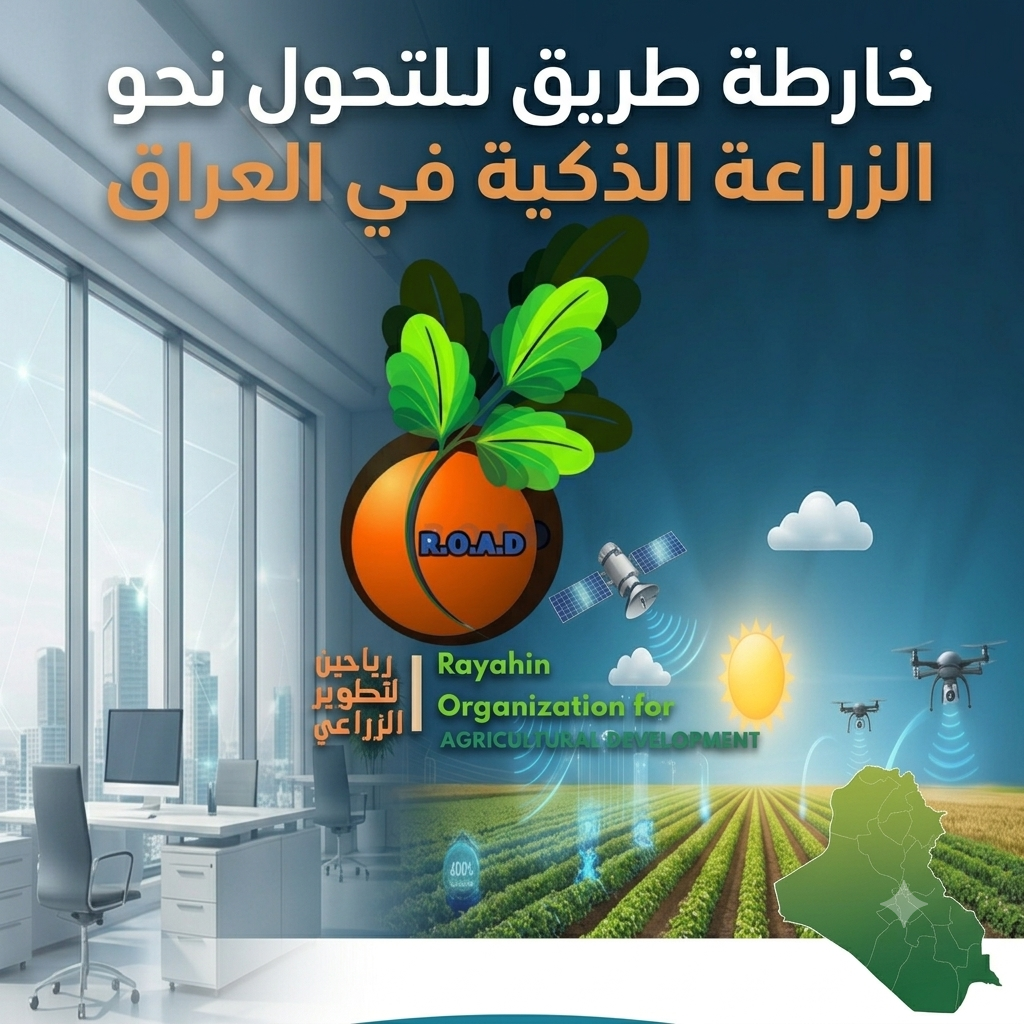
Proposals for Developing the Work of the Ministry of Agriculture in Terms of Concepts, Practices, and Organizational Structures for the Transition to Smart Agriculture ((Episode One))

Summary of Proposals for Developing the Work of the Ministry of Agriculture in Terms of Concepts, Practices, and Organizational Structures for the Transition to Smart Agriculture


Dr. Naqid Al-Tamimi

Ph.D. in Agricultural Sciences

Transforming the Iraqi Ministry of Agriculture into a model that adopts smart agriculture requires strategic adjustments across several dimensions. The following are proposals and developmental steps concerning concepts and practices, in addition to the organizational structures necessary to support this transformation...
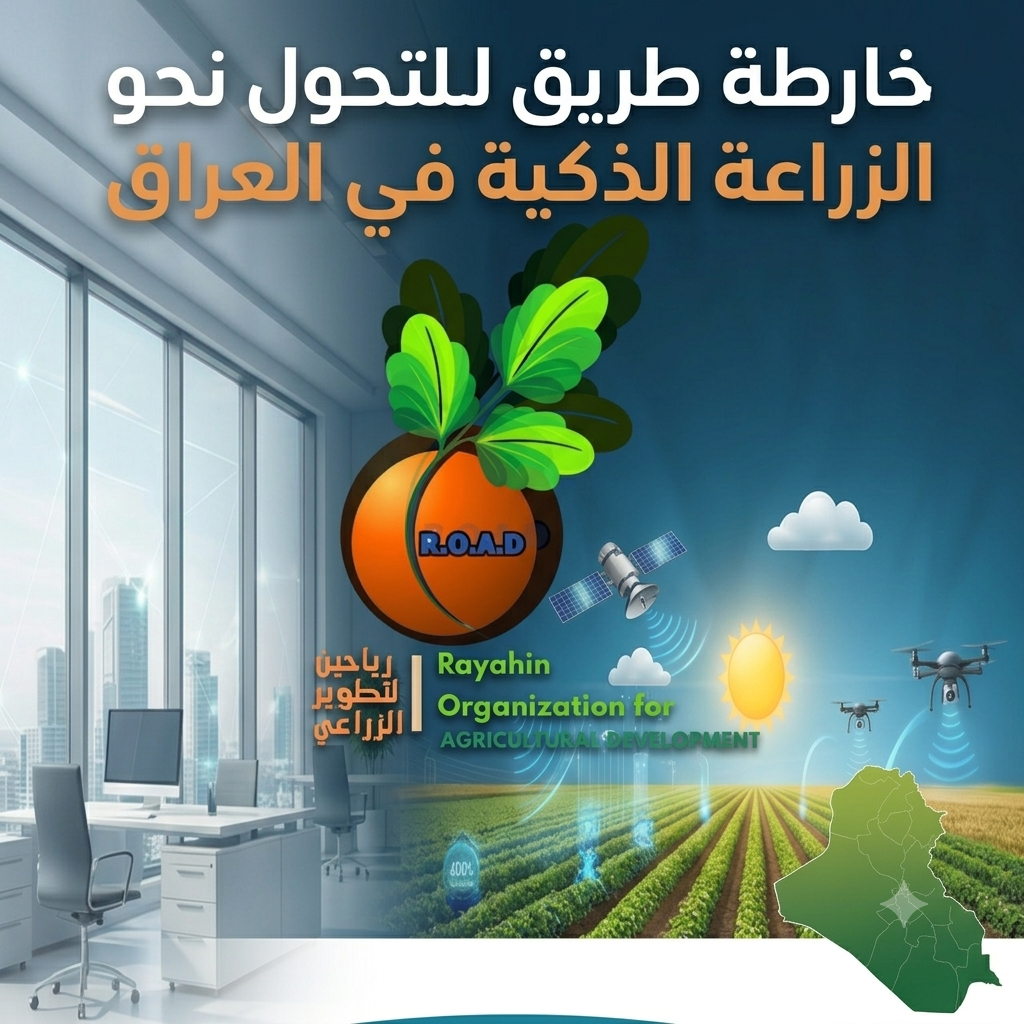
Episode One

Transforming the Iraqi Ministry of Agriculture into a model that adopts smart agriculture requires strategic adjustments across several dimensions. The following are proposals and developmental steps concerning concepts and practices, in addition to the organizational structures necessary to support this transformation.

1. Redefining Agricultural Concepts and Policies

  • Adoption of Smart Agriculture: The traditional concept of agriculture must evolve to incorporate smart agricultural tools and technologies, such as Precision Agriculture, which employs sensors, unmanned aerial vehicles (drones), and artificial intelligence to enhance productivity and reduce losses.
  • Orientation Toward Sustainable Agriculture: Introducing the concept of Climate-Smart Agriculture (CSA)—methods aimed at adapting to climate change while improving productivity, such as smart irrigation technologies and the utilization of renewable energy sources (e.g., solar power).
  • Big Data and Analytics: Developing monitoring and analytical systems based on big data to improve agricultural decision-making at various levels.

2. Improving Agricultural Practices

  • Training in Modern Technologies: Providing workshops and training courses for farmers on the use of modern agricultural tools, such as smart irrigation systems, satellite-based precision agriculture techniques, and data analysis.
  • Technology-Based Crop Monitoring: Implementing satellite monitoring programs to track crop health status and enable early detection of pests or diseases.
  • Vertical Farming and Greenhouse Cultivation: Adopting cultivation techniques suited to urban areas or locations with limited space, thereby contributing to increased productivity.
  • Fostering Innovation: Supporting local farmers and providing a conducive environment for the innovation of new technologies, whether through technology incubators or agricultural laboratories.

3. Developing Organizational Structures

  • Establishing a Dedicated Smart Agriculture Department: The Ministry should establish a specialized department focused on integrating modern technologies with traditional agricultural practices, thereby ensuring a clear direction toward technical development.
  • Establishing Partnerships with Universities and Research Centers: Collaborating with local and international universities and research centers to develop new technologies and innovative approaches to addressing agricultural challenges.
  • Establishing Frameworks for Evaluating and Incentivizing Innovation: Creating clear mechanisms for evaluating agricultural innovations through Key Performance Indicators (KPIs) for implemented smart agriculture projects.
  • Formulating a Digital Transformation Strategy: Organizing all agricultural operations and oversight through interconnected digital platforms linking farmers with government entities for data and knowledge exchange.

4. Supporting Financing and Investment

  • Encouraging Investment in Agricultural Technology: Attracting companies and investors to develop or introduce modern agricultural technology within Iraq through tax incentives and financing facilities.
  • Providing Financial Support to Farmers: Allocating concessional loans for the purchase of smart agricultural equipment, or for converting traditional fields into modern, technology-dependent agricultural land.

5. Launching Awareness and Educational Campaigns

  • Farmer Outreach: Organizing awareness workshops for farmers on how to benefit from smart agricultural technologies, and motivating them to adopt these technologies to improve production and increase profitability.
  • Educating New Generations: Working to incorporate smart agriculture education into academic curricula through technical and vocational education, in order to cultivate a generation of qualified specialists and farmers proficient in these fields.

6. International Cooperation

  • Concluding Cooperation Agreements with Advanced Countries: The Ministry may cooperate with countries possessing advanced smart agriculture technologies, such as the United States and the Netherlands, for the exchange of expertise and best practices.
  • Participation in Global Initiatives: Joining international networks and initiatives dedicated to sustainable and smart agriculture, such as international organizations for smart agriculture.

7. Continuous Monitoring and Evaluation

  • Establishing Evaluation Indicators: Developing standards to measure the progress of digital and smart transformation in agriculture, accompanied by periodic evaluation of outcomes and the extent of modern technology adoption.
  • Monitoring Environmental and Climatic Impacts: Tracking the effects of new technologies on the environment to ensure that natural resources are not harmed and are protected from depletion.

Through these steps, the Iraqi Ministry of Agriculture can keep pace with the modern era in the application of smart agriculture, thereby enhancing agricultural sustainability and providing solutions to the challenges facing the agricultural sector in Iraq.